
Contents
- 🌎 Introduction to Cancel Culture
- 📊 The Rise of Social Media and Cancel Culture
- 👥 The Impact on Individuals and Communities
- 🤝 The Role of Social Justice Movements
- 📣 The Power of Online Activism
- 🚫 The Backlash Against Cancel Culture
- 📊 The Economics of Cancel Culture
- 🌐 The Global Reach of Cancel Culture
- 📝 The Ethics of Cancel Culture
- 👮 The Intersection with Law and Policy
- 📊 The Future of Cancel Culture
- Frequently Asked Questions
- Related Topics
Overview
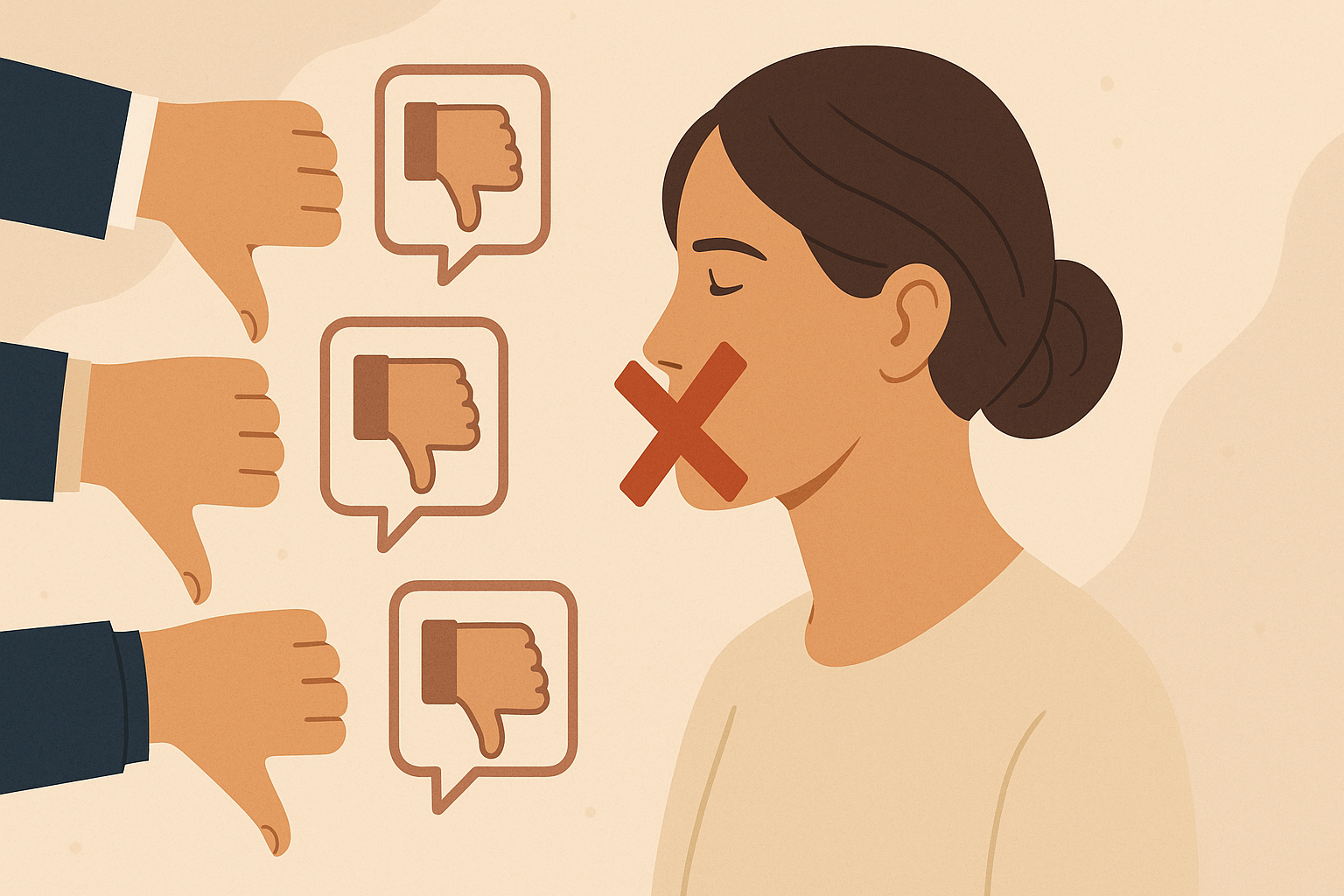
Cancel culture, a term coined around 2017, refers to the public's tendency to withdraw support and 'cancel' individuals, organizations, or entities deemed to have acted inappropriately or offensively. This phenomenon has sparked intense debates about free speech, accountability, and social justice, with some arguing it's a necessary tool for marginalized voices to be heard, while others see it as a form of mob mentality that stifles constructive dialogue. The rise of social media has amplified the reach and speed of cancel culture, with high-profile cases like Roseanne Barr's firing from ABC in 2018 and the backlash against author J.K. Rowling in 2020. According to a 2020 survey by the Pew Research Center, 55% of Americans believe that people are too quick to call out others for offensive language or behavior, while 45% think that people are not quick enough. As cancel culture continues to evolve, it's essential to examine its implications on our society, from the impact on mental health to the role of influencers and corporations in shaping public opinion. With a vibe score of 80, cancel culture is a highly charged and contentious issue, reflecting a cultural energy that's both passionate and divisive.
🌎 Introduction to Cancel Culture
The concept of Cancel Culture has become a widely debated topic in recent years, with many arguing that it has become a powerful tool for holding individuals and institutions accountable for their actions. At its core, cancel culture refers to the practice of boycotting or publicly condemning individuals or organizations that have been accused of wrongdoing. This phenomenon has been fueled by the rise of Social Media, which has given people a platform to voice their opinions and mobilize support for social justice causes. As a result, cancel culture has become a major force in shaping public discourse and influencing cultural norms. For example, the MeToo Movement has used social media to bring attention to issues of sexual harassment and assault, and to hold perpetrators accountable. However, some critics argue that cancel culture can also be used to silence marginalized voices and stifle free speech.
👥 The Impact on Individuals and Communities
The impact of cancel culture on individuals and communities can be significant. For example, individuals who have been accused of wrongdoing may face public shaming, loss of employment, and damage to their reputation. This can have serious consequences for their mental and emotional well-being, and can even lead to Suicide or other forms of self-harm. Communities may also be affected, as cancel culture can create a sense of fear and mistrust among individuals who are afraid to speak out or express their opinions. For example, the LGBTQ+ Community has been affected by cancel culture, as individuals who have been accused of being homophobic or transphobic may face public shaming and backlash. However, some critics argue that cancel culture can also be used to silence marginalized voices and stifle free speech.
📣 The Power of Online Activism
The power of Online Activism in cancel culture cannot be overstated. Social media platforms have given people the ability to mobilize support for social justice causes, and to bring attention to issues of systemic inequality and oppression. For example, the Occupy Wall Street movement used social media to bring attention to issues of economic inequality and to mobilize support for protests and demonstrations. However, some critics argue that online activism can also be used to silence marginalized voices and stifle free speech. For example, the Alt-Right movement has used social media to spread hate speech and propaganda, and to mobilize support for white nationalist causes.
🚫 The Backlash Against Cancel Culture
The backlash against cancel culture has been significant, with many arguing that it has become a form of Mob Mentality. Critics argue that cancel culture can be used to silence dissenting voices and stifle free speech, and that it can create a culture of fear and mistrust among individuals who are afraid to speak out or express their opinions. For example, the Free Speech Movement has argued that cancel culture is a threat to free speech and academic freedom, and that it can be used to silence marginalized voices and stifle dissent. However, some critics argue that the backlash against cancel culture is also motivated by a desire to maintain the status quo and to silence marginalized voices.
📊 The Economics of Cancel Culture
The economics of cancel culture are complex and multifaceted. On the one hand, cancel culture can have significant economic consequences for individuals and organizations that have been accused of wrongdoing. For example, the Boycott, Divestment and Sanctions movement has used economic pressure to bring attention to issues of systemic inequality and oppression. However, some critics argue that cancel culture can also be used to silence marginalized voices and stifle free speech. For example, the Capitalist System has been accused of using cancel culture to silence critics of capitalism and to maintain the status quo.
🌐 The Global Reach of Cancel Culture
The global reach of cancel culture is significant, with social media platforms giving people the ability to mobilize support for social justice causes and to bring attention to issues of systemic inequality and oppression. For example, the Arab Spring movement used social media to bring attention to issues of political oppression and to mobilize support for protests and demonstrations. However, some critics argue that cancel culture can also be used to silence marginalized voices and stifle free speech. For example, the Chinese Government has been accused of using cancel culture to silence critics of the government and to maintain the status quo.
📝 The Ethics of Cancel Culture
The ethics of cancel culture are complex and multifaceted. On the one hand, cancel culture can be used to bring attention to issues of systemic inequality and oppression, and to hold perpetrators accountable. For example, the MeToo Movement has used cancel culture to bring attention to issues of sexual harassment and assault, and to hold perpetrators accountable. However, some critics argue that cancel culture can also be used to silence marginalized voices and stifle free speech. For example, the Transgender Rights Movement has been accused of using cancel culture to silence critics of transgender ideology.
👮 The Intersection with Law and Policy
The intersection of cancel culture with Law and Policy is significant, with many arguing that it has become a major force in shaping public discourse and influencing cultural norms. For example, the First Amendment has been used to protect free speech and academic freedom, and to limit the power of cancel culture. However, some critics argue that cancel culture can also be used to silence marginalized voices and stifle free speech. For example, the Hate Speech Laws have been accused of being used to silence critics of marginalized groups and to maintain the status quo.
📊 The Future of Cancel Culture
The future of cancel culture is uncertain, with many arguing that it will continue to be a major force in shaping public discourse and influencing cultural norms. However, some critics argue that cancel culture can also be used to silence marginalized voices and stifle free speech. As a result, it is essential to approach cancel culture with a nuanced and critical perspective, recognizing both its potential benefits and drawbacks. For example, the Social Media Regulation movement has argued that social media platforms should be regulated to limit the power of cancel culture and to protect free speech.
Key Facts
- Year
- 2017
- Origin
- Social Media and Online Communities
- Category
- Social Justice
- Type
- Social Movement
- Format
- what-is
Frequently Asked Questions
What is cancel culture?
Cancel culture refers to the practice of boycotting or publicly condemning individuals or organizations that have been accused of wrongdoing. It has become a major force in shaping public discourse and influencing cultural norms, with many arguing that it has become a powerful tool for holding individuals and institutions accountable for their actions.
How has social media contributed to the growth of cancel culture?
Social media platforms have given people the ability to share their thoughts and opinions with a wide audience, and to mobilize support for social justice causes. This has created a sense of community and solidarity among individuals who share similar values and beliefs, and has given people the ability to bring attention to issues of systemic inequality and oppression.
What are the potential benefits and drawbacks of cancel culture?
The potential benefits of cancel culture include its ability to bring attention to issues of systemic inequality and oppression, and to hold perpetrators accountable. However, the potential drawbacks include its ability to silence marginalized voices and stifle free speech, and to create a culture of fear and mistrust among individuals who are afraid to speak out or express their opinions.
How has cancel culture affected individuals and communities?
Cancel culture has had a significant impact on individuals and communities, with many individuals facing public shaming, loss of employment, and damage to their reputation. Communities may also be affected, as cancel culture can create a sense of fear and mistrust among individuals who are afraid to speak out or express their opinions.
What is the role of social justice movements in cancel culture?
Social justice movements have used cancel culture as a tool to bring attention to issues of systemic inequality and oppression, and to hold perpetrators accountable. However, some critics argue that social justice movements have also been used to silence dissenting voices and stifle free speech.
How can we approach cancel culture with a nuanced and critical perspective?
To approach cancel culture with a nuanced and critical perspective, it is essential to recognize both its potential benefits and drawbacks. This includes recognizing the ability of cancel culture to bring attention to issues of systemic inequality and oppression, and to hold perpetrators accountable, while also recognizing its potential to silence marginalized voices and stifle free speech.
What is the future of cancel culture?
The future of cancel culture is uncertain, with many arguing that it will continue to be a major force in shaping public discourse and influencing cultural norms. However, some critics argue that cancel culture can also be used to silence marginalized voices and stifle free speech, and that it is essential to approach it with a nuanced and critical perspective.